
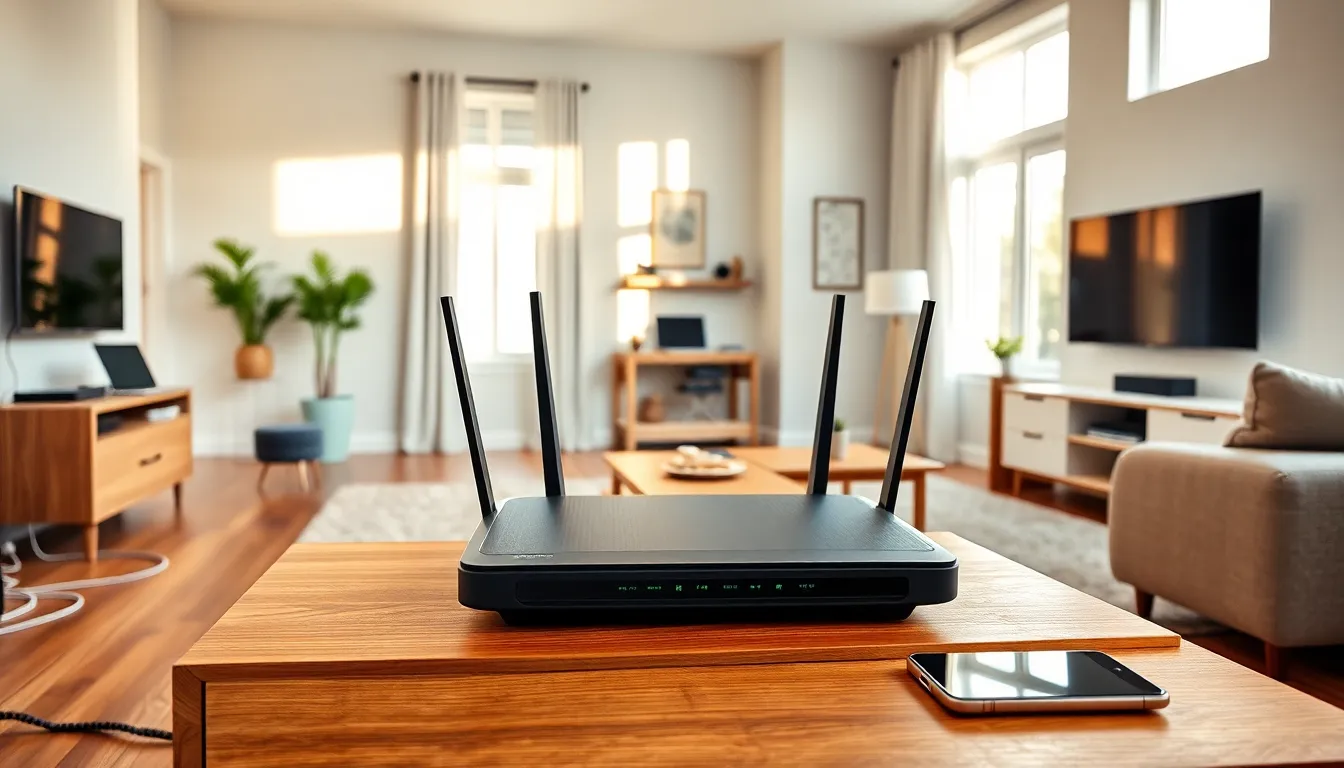
Home networking techniques matter more today than ever before. The average household now connects over 20 devices to the internet, from smartphones and laptops to smart TVs, thermostats, and security cameras. A poorly designed network creates frustration: buffering videos, dropped video calls, and dead zones in certain rooms.
This guide covers the essential home networking techniques that transform unreliable connections into fast, secure, and consistent coverage throughout any home. Readers will learn how to assess their specific needs, choose between wired and wireless options, position equipment for best performance, extend coverage to hard-to-reach areas, and protect their network from threats. Each section provides practical steps anyone can carry out, regardless of technical experience.
Table of Contents
ToggleKey Takeaways
- Assess your household’s device count, bandwidth needs, and coverage area before investing in home networking equipment to avoid overspending or underperforming setups.
- Combine wired Ethernet connections for stationary devices with wireless Wi-Fi for mobile gadgets to maximize both reliability and convenience.
- Place your router in a central, elevated location away from interference sources like microwaves and metal objects to dramatically improve network performance.
- Mesh Wi-Fi systems offer the easiest way to eliminate dead zones in larger homes, providing seamless coverage up to 6,000+ square feet.
- Secure your home network by changing default credentials, using WPA3 encryption, creating strong passwords, and enabling a separate guest network for visitors and smart devices.
- Review connected devices monthly, update router firmware regularly, and plan for future growth when implementing home networking techniques.
Understanding Your Home Network Requirements
Before purchasing any equipment, homeowners should assess their actual network requirements. This step prevents overspending on features they don’t need, or worse, buying equipment that can’t handle their demands.
Device Count and Types
Start by counting every device that connects to the network. This includes obvious items like computers and phones, but also smart home devices, gaming consoles, streaming sticks, and IoT gadgets. A family of four might easily have 15-25 connected devices.
Bandwidth Needs
Different activities require different amounts of bandwidth:
- 4K video streaming: 25 Mbps per stream
- Video conferencing: 5-10 Mbps
- Online gaming: 10-25 Mbps
- General browsing: 1-5 Mbps
Add up simultaneous usage during peak hours. If three family members stream 4K content while another joins a video call, that’s 85 Mbps minimum, before accounting for overhead.
Coverage Area
Home size directly impacts home networking techniques selection. A 1,200 square foot apartment has very different requirements than a 3,500 square foot multi-story house. Building materials also matter: concrete walls and metal framing block wireless signals more than drywall.
Future Planning
Smart homeowners plan for growth. Internet speeds continue increasing, and device counts keep rising. Equipment purchased today should handle needs for the next 3-5 years.
Wired vs. Wireless Networking Options
The wired versus wireless debate sits at the core of home networking techniques decisions. Each approach offers distinct advantages.
Wired Connections (Ethernet)
Ethernet cables deliver the most reliable connections available. They provide:
- Consistent speeds without interference
- Lower latency for gaming and video calls
- No signal degradation through walls
- Better security (physical access required)
Cat6 or Cat6a cables support speeds up to 10 Gbps over short distances. For most homes, Cat5e handles gigabit speeds just fine and costs less.
The downside? Running cables requires planning and sometimes professional installation. Many newer homes include Ethernet pre-wiring, but older homes often lack this infrastructure.
Wireless Connections (Wi-Fi)
Wi-Fi provides convenience and flexibility. Modern Wi-Fi 6 (802.11ax) and Wi-Fi 6E routers deliver impressive speeds, often exceeding 1 Gbps in ideal conditions.
Wireless home networking techniques work best for:
- Mobile devices (phones, tablets, laptops)
- Smart home devices in various locations
- Rental properties where running cables isn’t practical
The Hybrid Approach
Most effective home networks combine both methods. Wired connections serve stationary devices like desktop computers, gaming consoles, and smart TVs. Wireless handles everything else. This hybrid strategy maximizes both reliability and convenience.
Optimizing Router Placement and Configuration
Router placement dramatically affects network performance. Many homeowners leave their router wherever the technician installed it, often in a corner or closet. This creates unnecessary problems.
Ideal Placement Guidelines
Central location matters most. Place the router near the center of the home, both horizontally and vertically. Second-floor homes often benefit from mounting the router on the main floor ceiling or second floor.
Elevation helps. Routers perform better when elevated 4-6 feet off the ground. A high shelf or wall mount works well.
Avoid interference sources. Keep routers away from:
- Microwaves and cordless phones
- Metal filing cabinets and mirrors
- Fish tanks (water absorbs 2.4 GHz signals)
- Other electronics that emit radio frequencies
Configuration Best Practices
Proper configuration amplifies good home networking techniques:
Channel Selection: In congested areas (apartments, dense neighborhoods), manually selecting less crowded channels reduces interference. Apps like Wi-Fi Analyzer show which channels nearby networks use.
Band Separation: Many routers combine 2.4 GHz and 5 GHz into one network name. Separating them allows users to connect devices to the appropriate band, 2.4 GHz for range, 5 GHz for speed.
Quality of Service (QoS): This feature prioritizes certain traffic types. Enable QoS to ensure video calls and gaming get bandwidth priority over background downloads.
Firmware Updates: Manufacturers regularly release firmware updates that fix bugs and improve performance. Check for updates quarterly.
Extending Coverage With Mesh Systems and Access Points
Single routers often can’t cover entire homes effectively. Dead zones appear in far rooms, basements, and outdoor areas. Two main solutions exist for extending coverage.
Mesh Wi-Fi Systems
Mesh systems have transformed home networking techniques for larger homes. They use multiple units that communicate with each other, creating one seamless network.
Advantages include:
- Easy setup through smartphone apps
- Automatic hand-off as users move between rooms
- Self-healing networks that route around failed nodes
- Consistent network name throughout the home
Popular mesh systems from brands like Eero, Google Nest, and TP-Link cover homes up to 6,000+ square feet with proper node placement. Most homeowners need 2-3 units for complete coverage.
Wired Access Points
For maximum performance, wired access points beat mesh systems. These devices connect via Ethernet cable to the main router, then broadcast their own wireless signal.
Benefits of access points:
- No speed loss from wireless backhaul
- Professional-grade reliability
- Better handling of many simultaneous devices
The tradeoff is complexity and cost. Access points require Ethernet runs to each location and sometimes a separate controller.
Which Should Homeowners Choose?
Mesh systems suit most residential situations. They balance performance with ease of use. Access points make sense for tech-savvy users who need maximum throughput or already have Ethernet wiring available.
Securing Your Home Network
Security often gets overlooked in home networking techniques discussions. An unsecured network exposes personal data and can even become a launching point for attacks on others.
Essential Security Steps
Change Default Credentials: Every router ships with default admin usernames and passwords. Hackers know these defaults. Change both immediately after setup.
Use Strong Wi-Fi Encryption: WPA3 provides the strongest protection available. If devices don’t support WPA3, use WPA2-AES. Never use WEP or open networks.
Create a Strong Password: Network passwords should be at least 12 characters with a mix of letters, numbers, and symbols. Avoid dictionary words and personal information.
Enable the Guest Network: Guest networks isolate visitors from the main network. Smart home devices can also use this separate network, limiting potential damage if one device gets compromised.
Additional Protection Measures
- Disable WPS (Wi-Fi Protected Setup), it contains known vulnerabilities
- Turn off remote management unless specifically needed
- Enable the router’s built-in firewall
- Consider MAC address filtering for an extra layer (though it’s not foolproof)
Regular Maintenance
Security requires ongoing attention. Review connected devices monthly and remove any unrecognized entries. Keep firmware updated to patch newly discovered vulnerabilities.


