
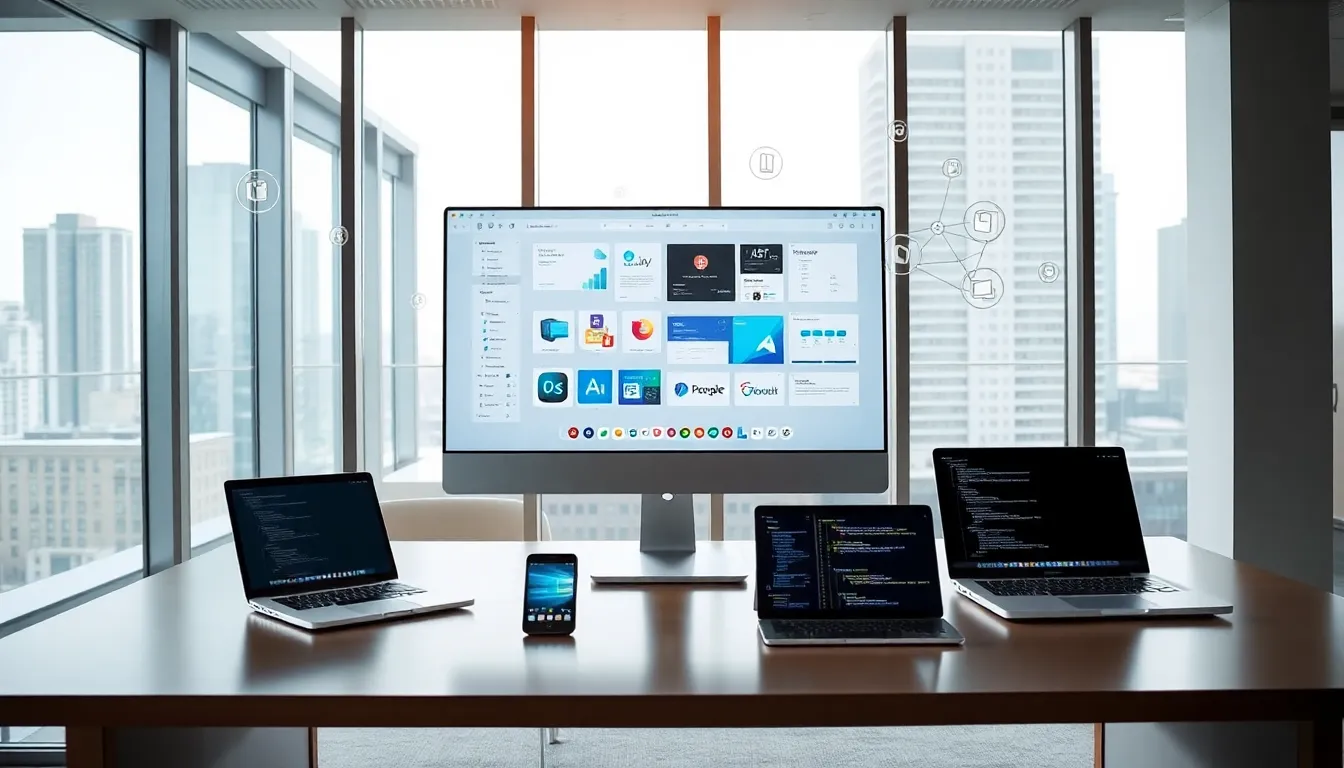
Software examples surround us every day, from the operating system that powers a smartphone to the apps used for work and entertainment. Understanding different types of software helps users make better decisions about the tools they rely on. This guide breaks down the main categories of software, provides clear examples, and offers practical advice for choosing the right programs. Whether someone manages a business, writes code, or simply uses a computer at home, knowing these software examples builds a stronger foundation for everyday technology use.
Table of Contents
ToggleKey Takeaways
- Software examples fall into three main categories: system software (like operating systems), application software (like productivity tools), and programming software (like code editors).
- Operating systems such as Windows, macOS, Linux, Android, and iOS are the most recognizable system software examples that manage hardware and run other programs.
- Productivity software examples like Microsoft Office and Google Workspace boost efficiency for work, school, and personal tasks.
- Programming software examples including IDEs, compilers, and version control systems give developers the tools to build all other applications.
- When choosing software, define your task clearly, check compatibility, evaluate costs, read reviews, and test free trials before committing.
- Consider future scalability when selecting software to avoid disruptive switches as your needs grow.
What Is Software?
Software refers to the programs and instructions that tell a computer what to do. Unlike hardware (the physical parts of a device), software exists as code. It runs on devices like laptops, tablets, smartphones, and servers.
There are three main categories of software:
- System software manages hardware and provides a platform for other programs.
- Application software performs specific tasks for users.
- Programming software helps developers create new programs.
Each category serves a distinct purpose. System software examples include operating systems. Application software examples include word processors and games. Programming software examples include code editors and compilers.
Software can be proprietary (owned by a company) or open-source (freely available for modification). Both types play important roles in personal and professional settings. Understanding these distinctions makes it easier to identify the right software examples for any task.
System Software Examples
System software forms the backbone of any computing device. It manages hardware resources and creates an environment where other programs can run. Without system software, a computer would be little more than an expensive paperweight.
Operating Systems
Operating systems are the most recognizable system software examples. They control memory, processes, and device communication. Popular operating systems include:
- Microsoft Windows – Used on most desktop and laptop computers worldwide.
- macOS – Apple’s operating system for Mac computers.
- Linux – An open-source option popular with developers and servers.
- Android and iOS – Mobile operating systems for smartphones and tablets.
Each operating system has strengths. Windows offers broad compatibility. macOS provides a polished user experience. Linux gives users flexibility and control.
Device Drivers
Device drivers act as translators between hardware and the operating system. A printer driver, for example, allows the computer to send print commands correctly. Graphics card drivers enable smooth video playback and gaming. These software examples run quietly in the background but remain essential.
Utility Programs
Utility programs handle maintenance tasks. Antivirus software protects against threats. Disk cleanup tools free up storage space. Backup utilities save copies of important files. These system software examples keep devices running smoothly and securely.
Application Software Examples
Application software performs tasks that users interact with directly. This category covers the widest range of software examples, from productivity tools to entertainment apps.
Productivity Software
Productivity software helps people complete work tasks. Common examples include:
- Microsoft Office – Word processing, spreadsheets, and presentations.
- Google Workspace – Cloud-based documents, sheets, and collaboration tools.
- Notion – Note-taking and project management.
These application software examples boost efficiency in offices, schools, and homes.
Communication Software
Communication software connects people across distances. Email clients like Microsoft Outlook and Mozilla Thunderbird manage messages. Video conferencing tools like Zoom and Microsoft Teams enable remote meetings. Messaging apps like Slack and Discord support real-time conversations. These software examples have become vital for remote work and personal connections.
Creative Software
Creative professionals rely on specialized application software. Adobe Photoshop handles image editing. Premiere Pro manages video production. Audacity records and edits audio. These software examples power industries like marketing, film, and music.
Entertainment Software
Games and media players fall under entertainment software. Spotify streams music. Netflix delivers video content. Video games like those found on Steam provide interactive experiences. Entertainment software examples dominate consumer technology markets.
Business Software
Businesses use specialized application software to manage operations. Customer relationship management (CRM) tools like Salesforce track client interactions. Accounting software like QuickBooks handles finances. Enterprise resource planning (ERP) systems coordinate entire organizations. These software examples drive modern commerce.
Programming Software Examples
Programming software gives developers the tools to build new applications. Without these programs, no other software would exist.
Integrated Development Environments (IDEs)
IDEs combine several development tools into one interface. They include code editors, debuggers, and build automation. Popular software examples in this category include:
- Visual Studio Code – A lightweight, extensible code editor from Microsoft.
- IntelliJ IDEA – A powerful IDE for Java development.
- PyCharm – Designed specifically for Python programming.
- Xcode – Apple’s IDE for macOS and iOS development.
IDEs speed up development by catching errors early and offering code suggestions.
Compilers and Interpreters
Compilers convert human-readable code into machine language. Interpreters execute code line by line. GCC (GNU Compiler Collection) compiles C and C++ programs. Python uses an interpreter to run scripts directly. These programming software examples bridge the gap between developers and machines.
Version Control Systems
Version control systems track changes to code over time. Git remains the most widely used option. Platforms like GitHub and GitLab host repositories and enable collaboration. These software examples prevent lost work and support team development.
Debugging Tools
Debuggers help programmers find and fix errors. Chrome DevTools assists web developers. GDB debugs C and C++ applications. These programming software examples save hours of frustration during development.
How to Choose the Right Software for Your Needs
Selecting software requires careful thought about specific needs and constraints. The following factors guide good decisions.
Define the Task
Start by identifying what the software must accomplish. A graphic designer needs creative tools. A small business owner needs accounting software. A student might need word processing and note-taking apps. Clear goals narrow down the options.
Consider Compatibility
Software must work with existing hardware and systems. Check operating system requirements before purchasing. Some software examples run only on Windows, while others support macOS or Linux. Mobile apps require compatible Android or iOS versions.
Evaluate Cost
Software pricing varies widely. Free and open-source options exist for many categories. Paid software often includes support and regular updates. Subscription models spread costs over time but add up. Balance features against budget constraints.
Check Reviews and Recommendations
User reviews reveal real-world performance. Professional reviews compare software examples within categories. Asking colleagues or online communities for recommendations can surface lesser-known options that fit specific needs.
Test Before Committing
Many software vendors offer free trials. Testing software before purchase prevents costly mistakes. Trials reveal whether the interface feels intuitive and whether the features match expectations.
Plan for the Future
Consider whether the software will scale with growing needs. A freelancer might outgrow basic tools. A growing company might need enterprise features. Choosing software with upgrade paths prevents disruptive switches later.


