
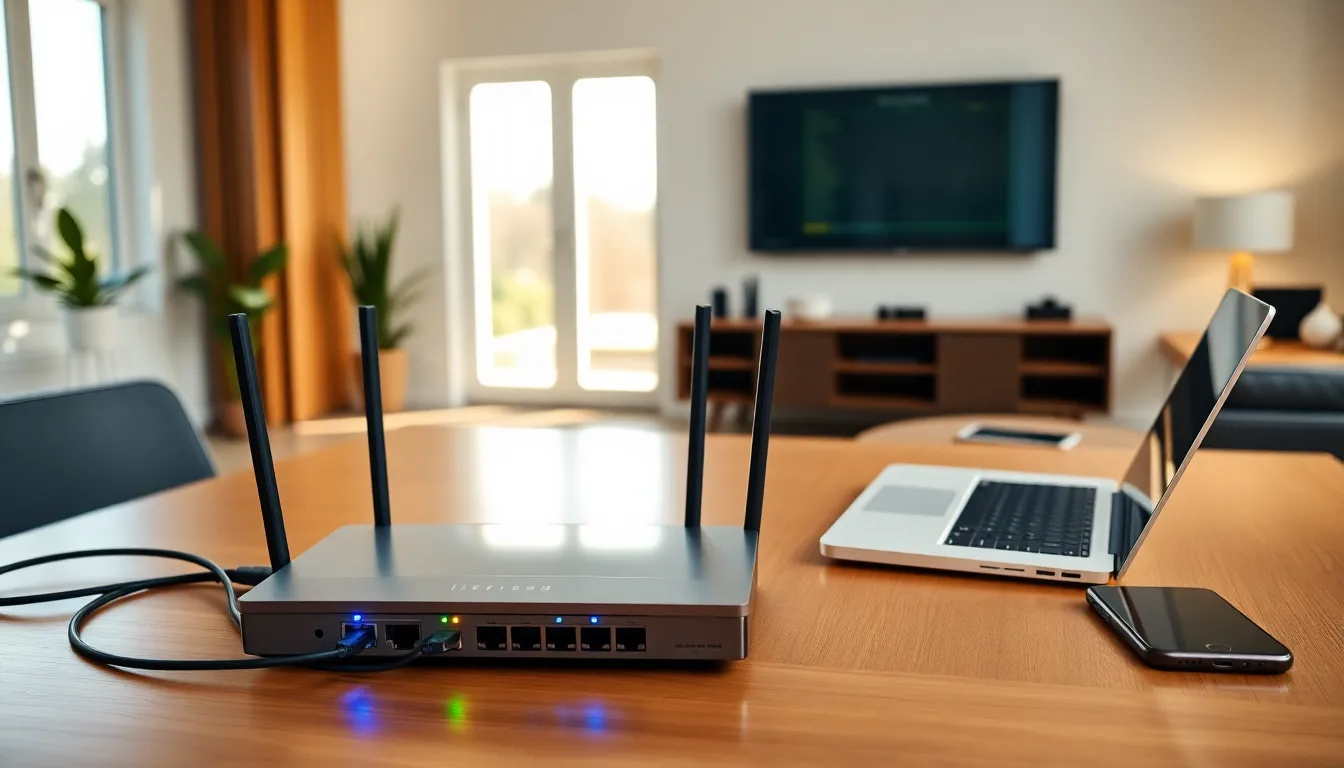
Learning how to home networking works can transform a frustrating tangle of cables and blinking lights into a smooth, connected household. Whether someone wants to stream movies in the living room, work from a home office, or connect smart devices throughout the house, a solid home network makes it all possible.
This guide breaks down everything beginners need to know. From understanding basic concepts to setting up equipment and fixing common problems, each step is explained in plain language. By the end, readers will have the confidence to build and maintain their own home network.
Table of Contents
ToggleKey Takeaways
- Understanding how to home networking works starts with knowing the difference between wired (Ethernet) and wireless (Wi-Fi) connections.
- Essential equipment includes a modem, router, Ethernet cables, and possibly a mesh system for larger homes with dead zones.
- Place your router in a central, elevated location to maximize Wi-Fi coverage throughout your home.
- Secure your network immediately by changing default passwords, enabling WPA3 or WPA2 encryption, and creating a guest network for visitors.
- Most common network issues—like slow speeds or dropped connections—can be fixed by restarting equipment or switching Wi-Fi channels.
- Anyone learning how to home networking should prioritize security and proper equipment placement from day one.
Understanding the Basics of Home Networking
A home network connects devices so they can share data and internet access. Computers, phones, tablets, smart TVs, and gaming consoles all communicate through this network. The internet service provider (ISP) delivers a connection to the home, and the network distributes that connection to every device.
Two main types of connections exist: wired and wireless. Wired connections use Ethernet cables to link devices directly to the router. They offer faster speeds and more reliable performance. Wireless connections use Wi-Fi signals to connect devices without cables. They provide convenience and flexibility but may experience interference or slower speeds at longer distances.
The router sits at the center of most home networks. It receives the internet signal from the modem and broadcasts it to connected devices. Many modern setups combine the modem and router into a single unit, often provided by the ISP.
Understanding how to home networking functions at this basic level helps with every decision that follows. Knowing the difference between wired and wireless options, for example, helps determine where to place equipment and which devices need direct connections.
Essential Equipment You Need
Setting up a home network requires a few key pieces of equipment. Here’s what most households need:
Modem: This device connects to the ISP and translates their signal into something the home network can use. Cable, DSL, and fiber connections each require specific modem types.
Router: The router creates the local network and manages traffic between devices. It assigns IP addresses, directs data packets, and handles both wired and wireless connections. Dual-band or tri-band routers support multiple frequencies, reducing congestion.
Ethernet Cables: Cat5e or Cat6 cables work well for most home setups. They connect devices that need stable, fast connections, like desktop computers, gaming consoles, or streaming boxes.
Network Switch: If more wired connections are needed than the router provides, a switch expands the available ports. Plug it into the router, then connect additional devices to the switch.
Wi-Fi Extenders or Mesh Systems: Large homes or those with thick walls may have dead zones where Wi-Fi doesn’t reach. Extenders boost the existing signal. Mesh systems create a unified network with multiple access points for better coverage.
Quality matters when selecting equipment. A budget router might struggle with multiple devices streaming video simultaneously. Investing in reliable gear saves headaches later.
Step-by-Step Network Setup Process
Follow these steps to get a home network running:
Step 1: Position the Modem and Router
Place the modem near the ISP’s connection point, usually a cable or phone jack. Connect it using the appropriate cable. Position the router in a central location, elevated if possible. Walls, floors, and appliances can block Wi-Fi signals, so central placement improves coverage.
Step 2: Connect the Hardware
Run an Ethernet cable from the modem to the router’s WAN or Internet port. Plug both devices into power outlets and wait for them to boot up. Indicator lights will show when they’re ready, typically solid green or blue.
Step 3: Access the Router’s Settings
Open a web browser on a connected computer and enter the router’s IP address (often 192.168.1.1 or 192.168.0.1). Log in using the default credentials printed on the router or in its manual.
Step 4: Configure the Network
Change the default network name (SSID) to something recognizable. Set a strong Wi-Fi password. Select the appropriate security protocol, WPA3 is best, WPA2 works if WPA3 isn’t available.
Step 5: Connect Devices
On each device, search for available Wi-Fi networks, select the new network name, and enter the password. For wired connections, simply plug Ethernet cables into the router’s LAN ports.
Step 6: Test the Connection
Open a browser and visit a website. Run a speed test to confirm the connection matches what the ISP promised. This confirms the home network setup is complete and working.
Securing Your Home Network
An unsecured network invites problems. Strangers can steal bandwidth, access shared files, or worse. These steps protect a home network:
Change Default Passwords
Routers ship with generic admin credentials like “admin/admin” or “admin/password.” Change these immediately. Use a unique, strong password with letters, numbers, and symbols.
Enable WPA3 or WPA2 Encryption
Older encryption methods like WEP are easily cracked. WPA3 provides the strongest protection currently available. If devices don’t support WPA3, WPA2 remains a solid choice.
Update Router Firmware
Manufacturers release updates that fix security flaws. Check the router’s admin panel periodically for available updates, or enable automatic updates if the option exists.
Disable WPS
Wi-Fi Protected Setup makes connecting devices easier but creates a security hole. Disable it in the router settings.
Create a Guest Network
Visitors and smart home devices don’t need access to the main network. A separate guest network keeps them isolated from personal computers and files.
Hide the Network Name (Optional)
Disabling SSID broadcast stops the network from appearing in public scans. Devices can still connect if users manually enter the network name.
These security measures take minutes to carry out but provide lasting protection. Anyone learning how to home networking should prioritize security from day one.
Troubleshooting Common Network Issues
Even well-configured networks encounter problems. Here’s how to fix the most common ones:
Slow Internet Speeds
First, test the connection directly from the modem using an Ethernet cable. If speeds are slow there, contact the ISP. If the modem tests fine but Wi-Fi is slow, try moving closer to the router, switching Wi-Fi channels, or reducing the number of connected devices.
Devices Won’t Connect
Confirm the Wi-Fi password is correct. Restart the device attempting to connect. If that fails, restart the router by unplugging it for 30 seconds. Some devices may need their network settings reset before reconnecting.
Intermittent Connection Drops
Interference from other electronics, neighboring networks, or physical obstructions often causes this. Switch the router to a less congested channel. The 5GHz band typically has less interference than 2.4GHz but covers shorter distances.
No Internet Access
Check if the modem’s indicator lights show an active connection. If not, the ISP may have an outage. Restarting both the modem and router (modem first, wait two minutes, then router) resolves many issues.
Limited Range
If Wi-Fi doesn’t reach certain rooms, reposition the router or add a mesh system. Thick walls, metal appliances, and floors significantly reduce signal strength.
Patience helps with troubleshooting. Most home network problems have simple solutions, restarting equipment fixes a surprising number of issues.


