
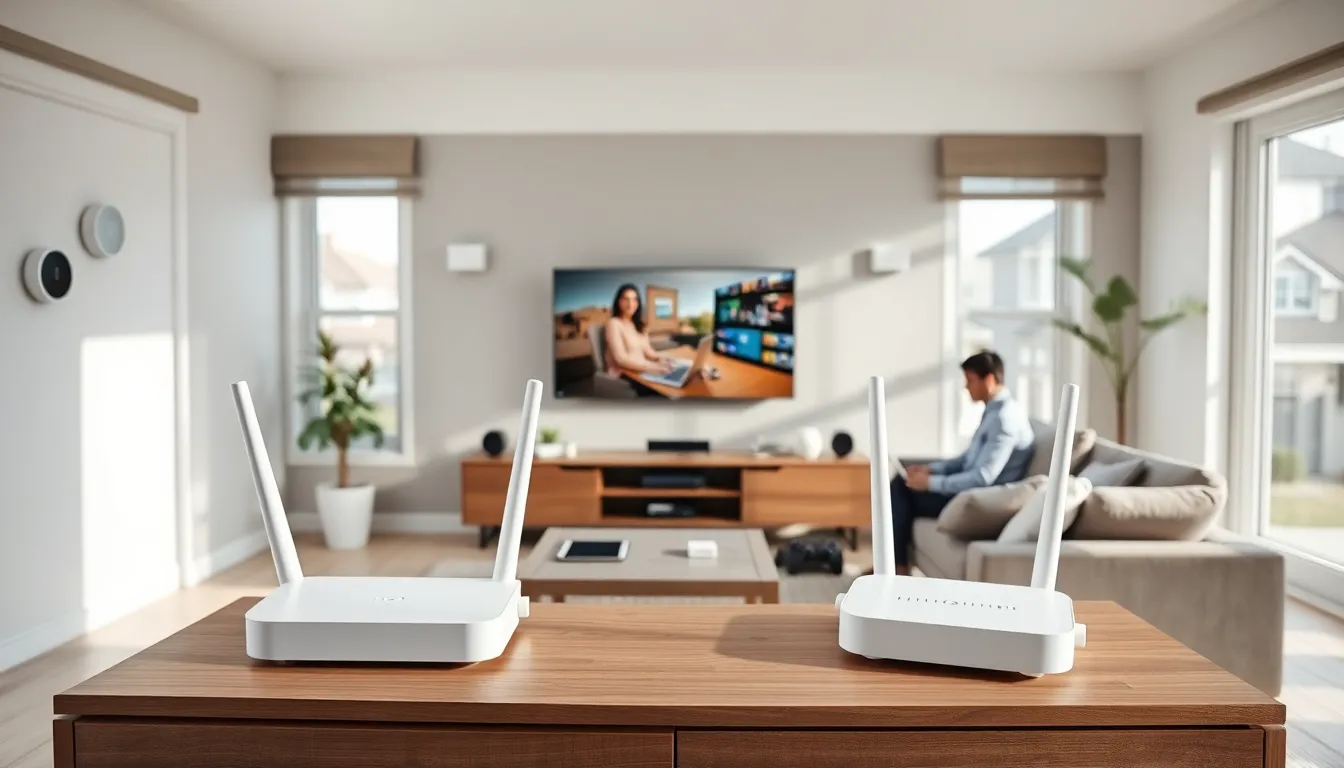
Home networking trends 2026 will reshape how households connect, stream, and secure their devices. The average home now runs more than 20 connected gadgets, from smart thermostats to gaming consoles. That number keeps climbing. As bandwidth demands grow and cyber threats become more sophisticated, home networks need to keep pace.
This year promises major shifts. WiFi 7 is moving from early adopter territory into everyday homes. AI is taking over network management tasks that used to require manual tweaking. Mesh systems are becoming the default rather than the exception. And with fiber internet reaching more neighborhoods, multi-gigabit speeds are no longer just for tech enthusiasts.
Here’s what homeowners and tech buyers should expect from home networking trends 2026.
Table of Contents
ToggleKey Takeaways
- WiFi 7 is going mainstream in 2026, delivering up to 4x faster speeds than WiFi 6E and significantly lower latency for gaming and video calls.
- AI-powered network management now automatically optimizes bandwidth, prioritizes devices, and detects security threats without manual intervention.
- Mesh networking systems have become the standard for homes over 1,500 square feet, with entry-level three-pack systems now available for around $150.
- Home networking trends 2026 prioritize enhanced security, including automatic firmware updates, real-time threat detection, and device micro-segmentation.
- Fiber internet now reaches over 60% of US households, making multi-gigabit speeds accessible to more homeowners than ever.
- Upgrading internal hardware like routers with multi-gig Ethernet ports and Cat6a cabling is essential to fully benefit from faster internet connections.
WiFi 7 Adoption Goes Mainstream
WiFi 7 (802.11be) is the headline story for home networking trends 2026. After a year of premium-priced routers and limited device support, WiFi 7 is finally hitting mass-market pricing.
The technology delivers theoretical speeds up to 46 Gbps, roughly four times faster than WiFi 6E. But raw speed isn’t the real story. WiFi 7 introduces Multi-Link Operation (MLO), which lets devices connect across multiple frequency bands simultaneously. This means smoother video calls, lower latency for gaming, and fewer dead spots around the house.
Major router manufacturers are releasing mid-range WiFi 7 models priced under $200. Device compatibility is catching up too. Most flagship smartphones, laptops, and streaming devices launched in 2025 and 2026 support the new standard.
For households juggling work-from-home setups, 4K streaming, and online gaming, WiFi 7 offers a noticeable upgrade. Early adopters report latency drops of 50% or more compared to WiFi 6 networks. That’s the kind of improvement people actually feel during a Zoom call or a competitive gaming session.
The Rise of AI-Powered Network Management
AI-powered network management is becoming standard in home networking trends 2026. Gone are the days of manually adjusting channel settings or rebooting routers to fix slowdowns.
Modern routers use machine learning to monitor traffic patterns, identify bandwidth hogs, and automatically prioritize devices. If someone starts a video conference, the network shifts resources accordingly. When the kids fire up an online game, the system adapts in real time.
These AI systems also predict and prevent problems. They detect unusual traffic that might indicate a security breach. They identify devices that are struggling with weak signals and suggest better placement. Some even learn household routines and optimize performance based on typical usage patterns.
The practical benefit? Networks that “just work” without constant attention. Tech-savvy users can still jump into manual settings, but most people won’t need to. Home networking trends 2026 favor hands-off simplicity backed by intelligent automation.
Several brands now offer companion apps that provide plain-language explanations of network health. Instead of showing confusing graphs, they tell users things like “Your living room TV had a weak connection yesterday, try moving your mesh node closer.”
Mesh Networks and Whole-Home Coverage
Mesh networking systems continue their takeover in home networking trends 2026. Single-router setups are becoming obsolete for homes larger than 1,500 square feet.
Mesh systems use multiple nodes placed throughout a home to create seamless coverage. Devices automatically connect to the nearest node, and handoffs happen invisibly as users move room to room. No more dead zones in the basement or dropped connections on the back patio.
The 2026 generation of mesh systems brings meaningful improvements. WiFi 7 mesh nodes offer dedicated backhaul channels, so communication between nodes doesn’t steal bandwidth from connected devices. Setup has become genuinely simple, most systems configure themselves in under 10 minutes.
Pricing has dropped significantly. Entry-level three-pack mesh systems now cost around $150, making whole-home coverage accessible for most budgets. Premium systems with WiFi 7 and advanced features run $300-500 for full-house coverage.
Home networking trends 2026 also show mesh systems integrating with smart home hubs. Some units now include built-in Zigbee or Thread radios, letting them control smart lights, locks, and sensors directly. This reduces the clutter of separate hubs and creates a more unified smart home setup.
Enhanced Security for Smart Home Devices
Security takes center stage in home networking trends 2026. The average smart home contains devices from a dozen different manufacturers, and each one represents a potential vulnerability.
Router manufacturers are responding with built-in security features that used to require separate subscriptions or hardware. Automatic firmware updates happen overnight without user intervention. Real-time threat detection scans network traffic for malicious activity. Guest networks now include isolated IoT segments that keep smart devices separate from computers and phones.
The Matter standard is gaining traction and improving device security. Matter-certified products must meet minimum security requirements, giving consumers more confidence when adding new gadgets.
Home networking trends 2026 emphasize zero-trust approaches at the consumer level. Some routers now create individual micro-segments for each connected device. If a smart lightbulb gets compromised, the attacker can’t pivot to access the family laptop.
Parental controls have also evolved beyond simple website blocking. Parents can set screen time limits by device, pause internet access instantly, and receive alerts about potentially dangerous online activity. These features work across the entire network without installing software on each device.
Multi-Gigabit Internet and Fiber Expansion
Multi-gigabit internet access is expanding rapidly, and home networking trends 2026 reflect this shift. Fiber providers now reach over 60% of US households, up from roughly 45% in 2023.
Symmetrical gigabit connections, 1 Gbps upload and download, are becoming baseline offerings in many markets. Premium tiers offer 2, 5, and even 10 Gbps speeds. These aren’t just bragging rights. Households with multiple remote workers, content creators, or serious gamers benefit from the extra headroom.
The catch? Internal network hardware needs to keep pace. WiFi 7 routers with multi-gig Ethernet ports are essential for taking full advantage of these connections. Many homes still have Cat5e cabling that tops out at gigabit speeds. Home networking trends 2026 include increased demand for Cat6a retrofits and professional network installations.
Internet service providers are sweetening deals to attract customers. Some fiber plans now include mesh WiFi equipment at no extra cost. Others bundle whole-home security monitoring with service contracts.
For renters and those without fiber access, 5G home internet continues improving. Fixed wireless options now deliver consistent speeds above 300 Mbps in many areas, offering a viable alternative to traditional cable.


